
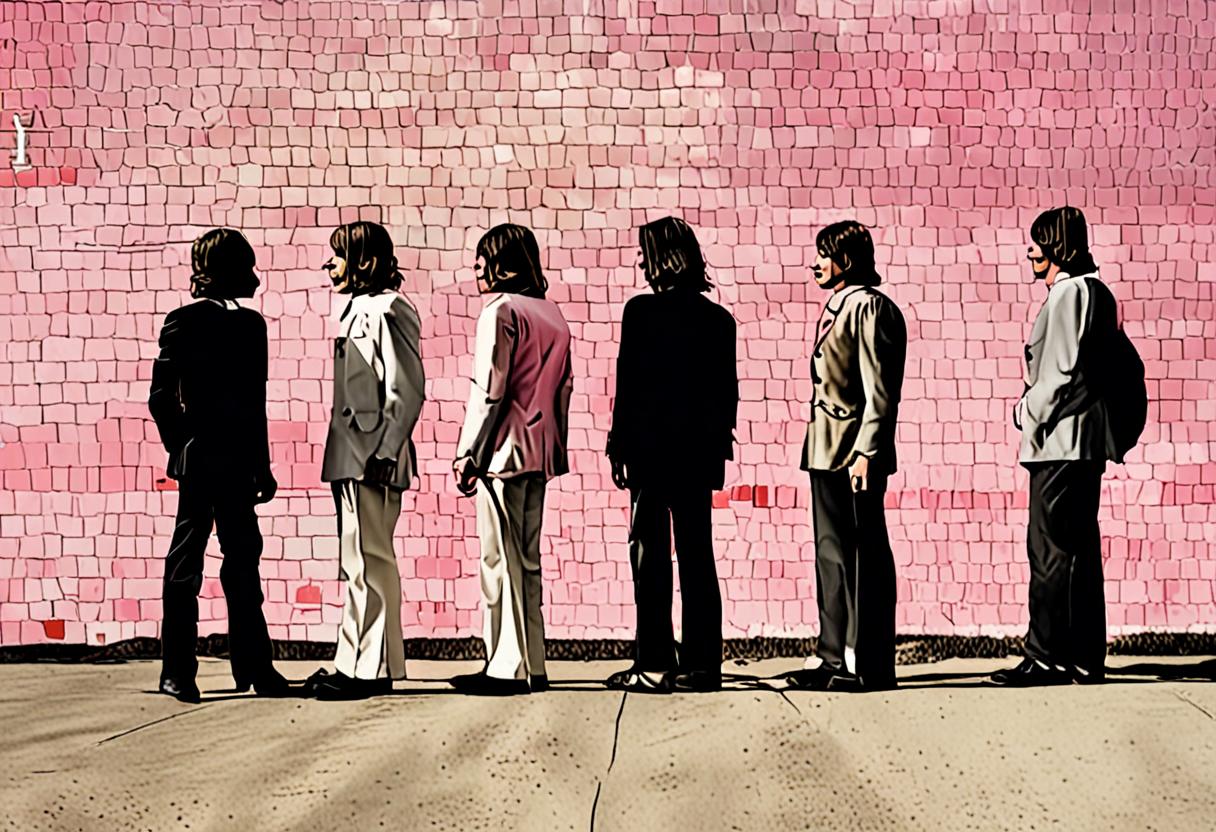
In the pantheon of rock music, few albums have left as indelible a mark as Pink Floyd’s ‘The Wall.’ Released in 1979, this ambitious double album transcends mere music, offering a profound narrative that delves into themes of isolation, war, and the human psyche. As we revisit this masterpiece, its relevance and emotional depth continue to resonate, inviting both longtime fans and new listeners to explore its intricate layers.
The Genesis of ‘The Wall’
The conception of ‘The Wall’ emerged from the mind of Roger Waters during Pink Floyd’s 1977 ‘In the Flesh’ tour. Disillusioned by the growing disconnect between the band and their audience, Waters envisioned a metaphorical wall separating performers from their fans. This idea blossomed into a rock opera centered around ‘Pink,’ a character whose life mirrors Waters’ own experiences and those of former bandmate Syd Barrett. The album’s narrative arc explores Pink’s descent into madness, shaped by personal traumas and societal pressures.
Crafting the Soundscape
Recording ‘The Wall’ was an arduous process, spanning from December 1978 to November 1979. The band collaborated with producer Bob Ezrin to refine the album’s concept and sound. Tensions ran high, leading to the departure of keyboardist Richard Wright during production, though he later returned as a session musician for the subsequent tour. Despite these challenges, the album’s sonic landscape is meticulously crafted, blending progressive rock with theatrical elements to support its complex storyline.
Unpacking the Themes
At its core, ‘The Wall’ is a meditation on isolation and self-imposed barriers. Songs like ‘Another Brick in the Wall, Part 2’ critique rigid educational systems, while ‘Mother’ examines overprotective parenting. The haunting ‘Comfortably Numb’ delves into emotional numbness and detachment. These themes are underscored by the album’s narrative structure, which portrays Pink’s gradual withdrawal from reality as he constructs his metaphorical wall.
Visualizing the Narrative
The album’s visual elements, particularly the artwork by Gerald Scarfe, play a crucial role in conveying its themes. Scarfe’s stark illustrations, including the iconic marching hammers, enhance the album’s exploration of authoritarianism and dehumanization. These visuals were further expanded in the 1982 film adaptation, which combined live-action and animation to bring Pink’s story to life.
Reception and Legacy
Upon its release, ‘The Wall’ received mixed reviews. Some critics praised its ambition and depth, while others found it overblown. Despite this, the album topped the US charts for 15 weeks and became one of the best-selling albums of all time, with over 30 million copies sold. Its influence extends beyond music, inspiring discussions on mental health, societal structures, and personal isolation.
Enduring Resonance
Decades later, ‘The Wall’ remains a touchstone in rock history. Its exploration of universal themes ensures its continued relevance, resonating with listeners navigating their own walls. As we revisit this monumental work, it serves as a reminder of music’s power to reflect and challenge the human condition. In the words of Roger Waters, ‘The Wall’ is ‘without question the best of all serious fiction films devoted to rock.’ This sentiment encapsulates the album’s enduring impact, solidifying its place as a masterpiece that continues to captivate and inspire.