
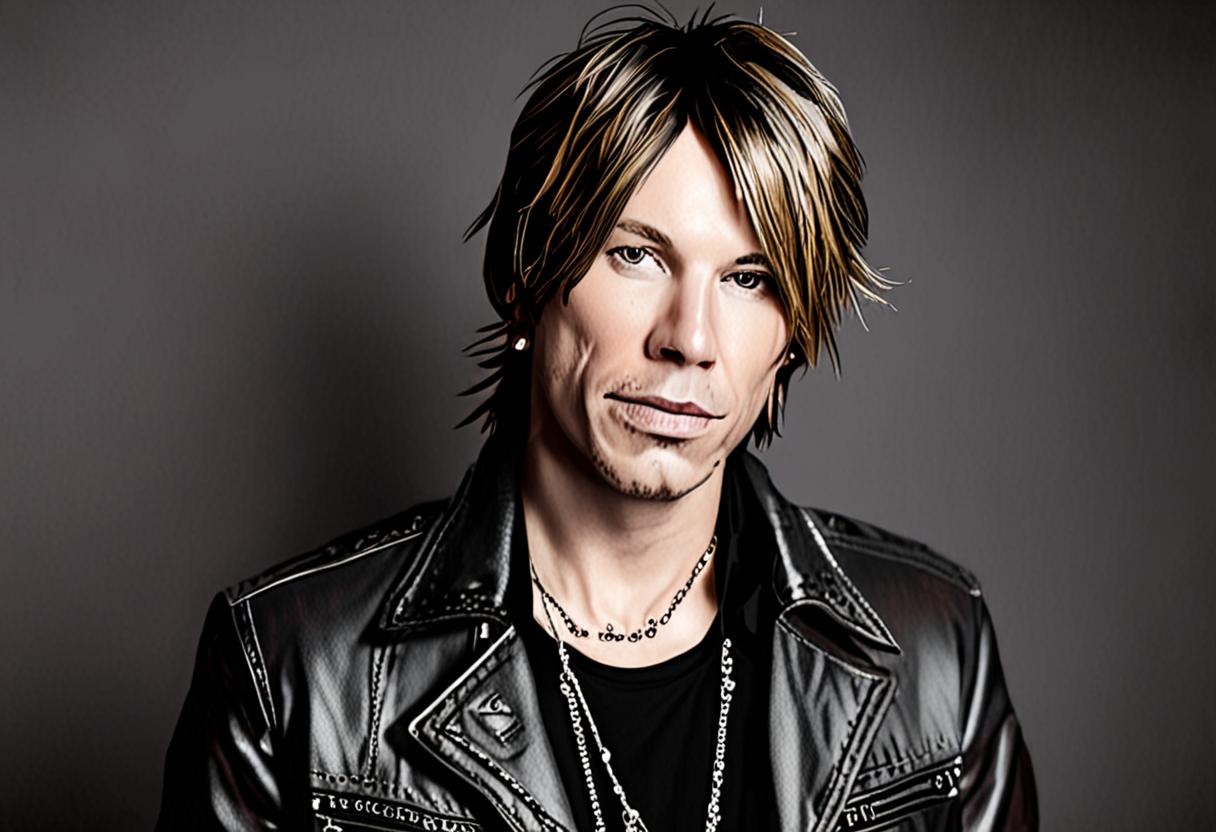
Johnny Rzeznik’s sixtieth birthday marks more than a personal milestone — it highlights the longevity of a songwriter whose melodic instincts helped define the emotional vocabulary of 1990s and 2000s alt-rock. Born in Buffalo, New York, on December 5, 1965, Rzeznik emerged from a working-class background that deeply informed both the grit and vulnerability of his music.
Raised largely by his sisters after losing both parents before adulthood, Rzeznik found refuge in the guitar. His early influences were eclectic — The Replacements, Hüsker Dü, The Clash — artists who fused melody with emotional candor. That DNA would eventually crystallize into the sound that made him one of the era’s most recognizable voices.
From Bar-Band Chaos to Songwriting Precision
When Rzeznik formed the Goo Goo Dolls with bassist Robby Takac in 1986, the band was scrappy, loud, and defiantly unpolished. Their first records were rooted in punk energy, Takac handling most of the vocals while Rzeznik sharpened his craft in the background.
The shift arrived gradually but decisively: Rzeznik’s songwriting evolved into something more direct, more tuneful. By the early 1990s, his sense of melody began steering the band toward a new identity — not abandoning their rawness, but refining it.
The breakthrough came with A Boy Named Goo (1995) and its runaway single “Name,” a track that showcased Rzeznik’s signature mixture of fragility and clarity. The success was accidental in its intimacy, but it pushed the band from cult status to national radio rotation.
“Iris” and the Reinvention of Modern Rock Balladry
If “Name” opened the door, “Iris” blew it off its hinges. Written for the soundtrack of City of Angels (1998), the track became a cultural phenomenon — a soaring, swelling ballad of yearning that remains ubiquitous decades later.
Rzeznik’s writing on “Iris” blended orchestral warmth with acoustic delicacy, creating a sonic language many alternative bands would spend the next decade trying to replicate. The song’s open tuning, emotional directness, and dramatic arcs established Rzeznik as one of rock’s most distinctive melodic architects.
The accompanying album, Dizzy Up the Girl, solidified the transformation. With tracks like “Slide” and “Black Balloon,” Rzeznik cemented a sound that balanced stadium-scale hooks with personal storytelling.
A Career Built on Resilience and Craft
Rzeznik’s longevity is rooted not in reinvention but refinement. Across the 2000s and 2010s, the Goo Goo Dolls continued releasing albums that maintained their central qualities — bright melodies, earnest lyricism, and open-chord atmospherics — while adapting to shifting rock landscapes.
Albums like Let Love In (2006), Boxes (2016), and Miracle Pill (2019) show a songwriter unafraid of pop textures, synth elements, and polished production. Yet Rzeznik’s voice — both literal and compositional — remains unmistakable.
In interviews, he has often spoken about imposter syndrome, the pressure of early success, and the challenge of sustaining creativity. Rather than collapsing under those expectations, he built a career on consistency: writing songs meant to resonate, not impress.
The Enduring Influence of the Goo Goo Dolls
The band’s influence stretches further than their chart presence might suggest. Their blend of acoustic-driven melancholy and radio-ready arrangements helped define the emotional tone of late-90s and early-2000s alternative music. Countless artists cite Dizzy Up the Girl as a gateway album.
Their touring ethic — relentless, year after year — has kept them connected to fans across generations, turning the Goo Goo Dolls into one of the most quietly enduring American rock acts.
A Legacy of Melodic Honesty
Johnny Rzeznik’s contribution to modern rock is not built on provocation or stylistic shock. It’s built on clarity — in melody, in emotion, in the belief that a simple line can carry extraordinary weight when delivered with sincerity.
At 60, he stands as one of the few artists from his generation who managed to evolve without losing the sensibility that made listeners connect with him in the first place.
His songs don’t shout.
They resonate.