
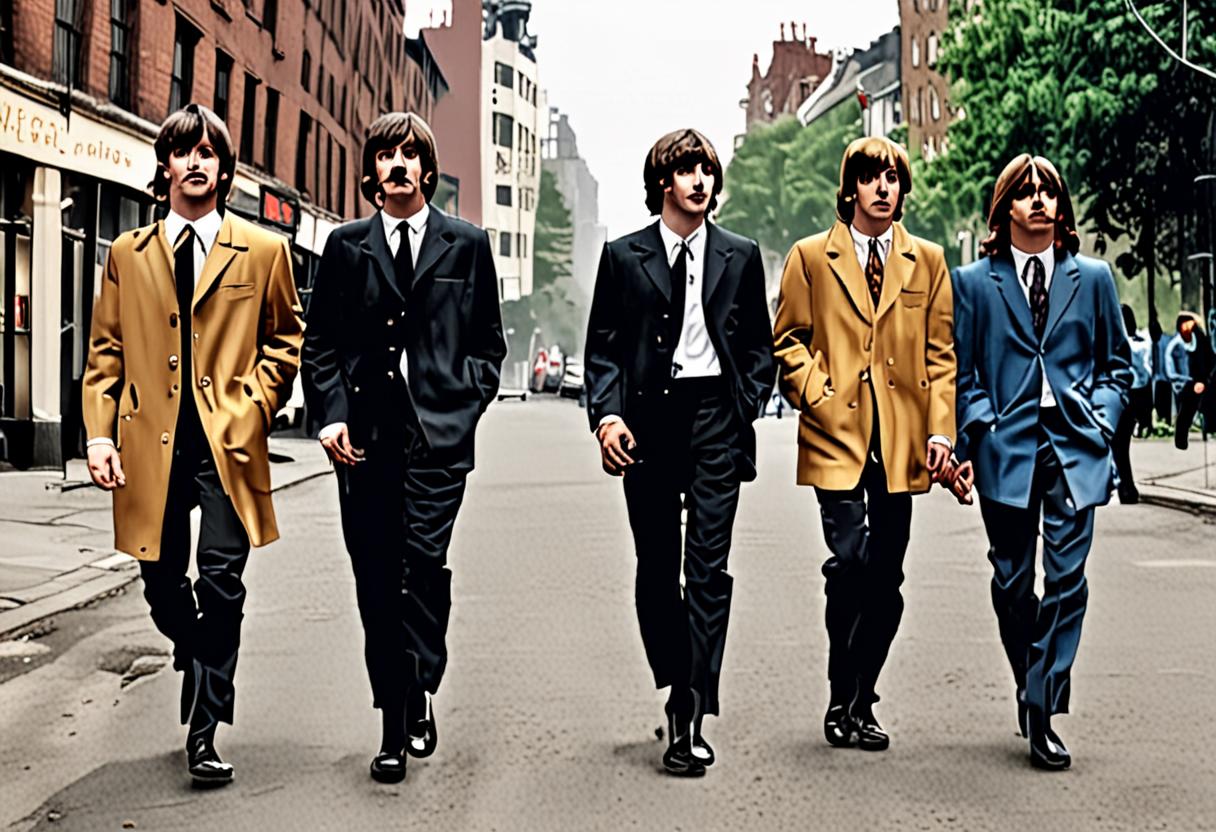
Fifty years ago, on December 29, 1974, John Lennon signed the document that officially ended The Beatles’ partnership. This moment marked the legal conclusion of a journey that had already seen its emotional and creative end years prior.
The Long and Winding Road to Dissolution
The Beatles’ breakup wasn’t a sudden event but a gradual unraveling. Tensions had been simmering since the late 1960s, exacerbated by personal differences, creative conflicts, and the death of their manager, Brian Epstein, in 1967. By 1970, the band members had embarked on solo projects, signaling the end of an era. However, the legal dissolution of their partnership lagged behind their personal decisions. In December 1974, a meeting was arranged at New York’s Plaza Hotel for all four Beatles to sign the dissolution papers. Paul McCartney and George Harrison attended, with Ringo Starr participating via telephone. John Lennon, however, was notably absent, citing that “the stars weren’t right” for him to sign at that time.
John Lennon’s Signature: The Final Note
Ten days later, while vacationing at Walt Disney World in Florida with his son Julian and partner May Pang, Lennon finally signed the documents. The signing took place at the Polynesian Village Resort Hotel, marking the official end of The Beatles as a legal entity. May Pang recalled the moment, noting that Lennon asked her to document the occasion with her camera.
The Aftermath and Legacy
The dissolution allowed the former bandmates to fully pursue their solo careers and manage their individual finances. John Lennon reflected on the agreement, stating that it meant all individual records and royalties would go into separate accounts, rather than a collective pot. Despite the official breakup, The Beatles’ music continued to resonate with fans worldwide. Their legacy endured, influencing countless artists and shaping the course of popular music. The 1974 dissolution was not just a legal formality; it was the final chord in a symphony that had defined a generation. As we look back half a century later, the story of The Beatles’ breakup serves as a poignant reminder of the complexities of creative partnerships and the enduring power of music to transcend time and circumstance.