January — Industry Resets and Early Markers
2025 opened with a recalibration across the global music landscape. Labels doubled down on catalog innovation, while independent scenes in London, Seoul, Lagos, and Melbourne delivered a surge of early-year releases. AI-assisted production entered its next phase as major companies debated licensing, watermarking, and creative boundaries. Touring picked up sharply compared to 2024, with major artists announcing staggered global runs instead of traditional album cycles.
February — The Comeback Season Begins
February became the unofficial “return month,” as several legacy acts signaled new material. Veteran songwriters embraced stripped-down formats, while Gen-Z pop artists pivoted toward moodier, more analog aesthetics. Festivals across South America and Asia revealed ambitious 2025 editions, with hybrid physical-digital stages becoming the norm.
March — Festivals Redefine Scale
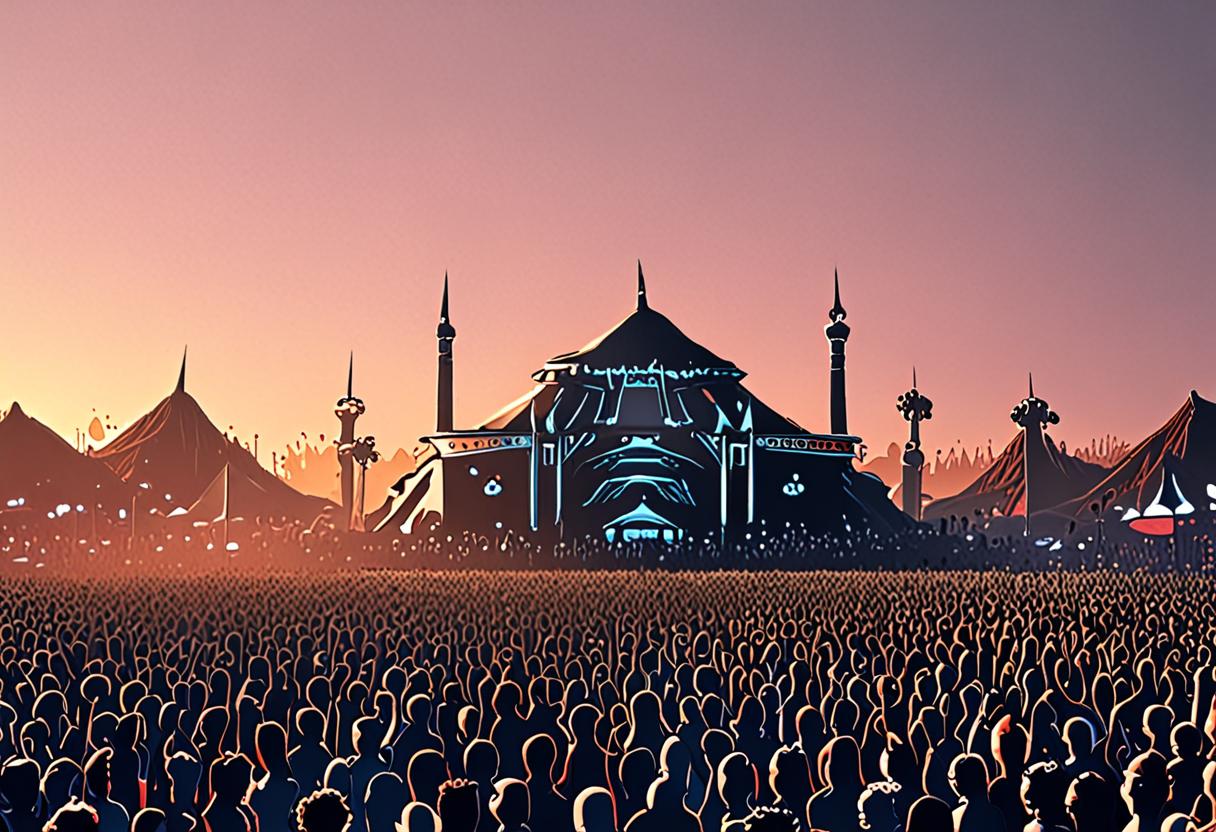
Ultra, Lollapalooza Latin America, and several EU spring festivals pushed next-gen stage designs centered on projection mapping, immersive lighting, and multi-angle livestreams. Electronic music saw renewed momentum, with techno, ambient, and deconstructed pop blending into a cross-genre continuum. Several surprise collaboration singles reshaped the Q1 charts.
April — Global Chart Reshuffles
April delivered the first major chart shifts of the year. Unexpected indie breakouts climbed DSP rankings in the UK and US, while Afrobeats and Latin pop continued global ascents. Award-season buzz intensified, with early predictions forming around the year’s most ambitious albums.
May — Stadium Tours Take Over
With restrictions and logistical hesitations fully behind, 2025 became the biggest stadium-tour year since 2019. Artists optimized itineraries around sustainability and modular stage setups. Several tours set regional ticket-sale records, while heritage acts drew multi-generational crowds on every continent.
June — The Collaboration Wave
Cross-genre collaborations defined June. Hip-hop and electronic artists converged; indie musicians partnered with jazz and orchestral ensembles; K-pop production aesthetics permeated Western mainstream pop. Streaming data reflected a fragmentation of “dominant genres,” with eclectic playlists outperforming traditional categories.
July — The Streaming Platforms Reset
Halfway through the year, DSPs introduced significant algorithmic updates aimed at curbing fraud, clarifying royalty distribution, and promoting emerging voices. The changes reshaped discovery patterns and rebalanced playlist exposure between indie and major-label artists.
August — The High-Concept Release Month
August saw a wave of conceptual albums tying music to short films, world-building narratives, interactive websites, and AR experiences. Several artists used cinematic aesthetics to escape algorithm-driven song structures, creating long-form works that dominated the cultural conversation.
September — Awards Pressure Builds
As Grammy and BRITs eligibility windows approached closing, September delivered a barrage of high-profile releases. Critics framed it as the most competitive year-end sprint since the mid-2010s. Indie scenes thrived, especially in Australia and Scandinavia, where new acts broke through international barriers.
October — The Live Renaissance
A surge of experimental tours reintroduced theatricality to concerts: modern dance, modular staging, and narrative-driven setlists. Meanwhile, heritage bands released newly restored archival recordings, fueling nostalgia cycles with unprecedented audio quality.
November — Record-Breaking Engagement
DSP consumption hit all-time highs. Holiday singles returned earlier than ever, while Wrapped-style analytics flooded social media. Several artists used the momentum to tease 2026 projects, laying the groundwork for next year’s major cycles.
December — Year-End Synthesis
December wrapped 2025 with a blend of retrospection and forward-looking announcements. Legacy albums received anniversary reissues, newcomers delivered career-defining statements, and global festivals revealed 2026 headliners. As the industry tightened its relationship with AI tools, the year closed with debates over creativity, authorship, and the meaning of authenticity in a post-genre world.