
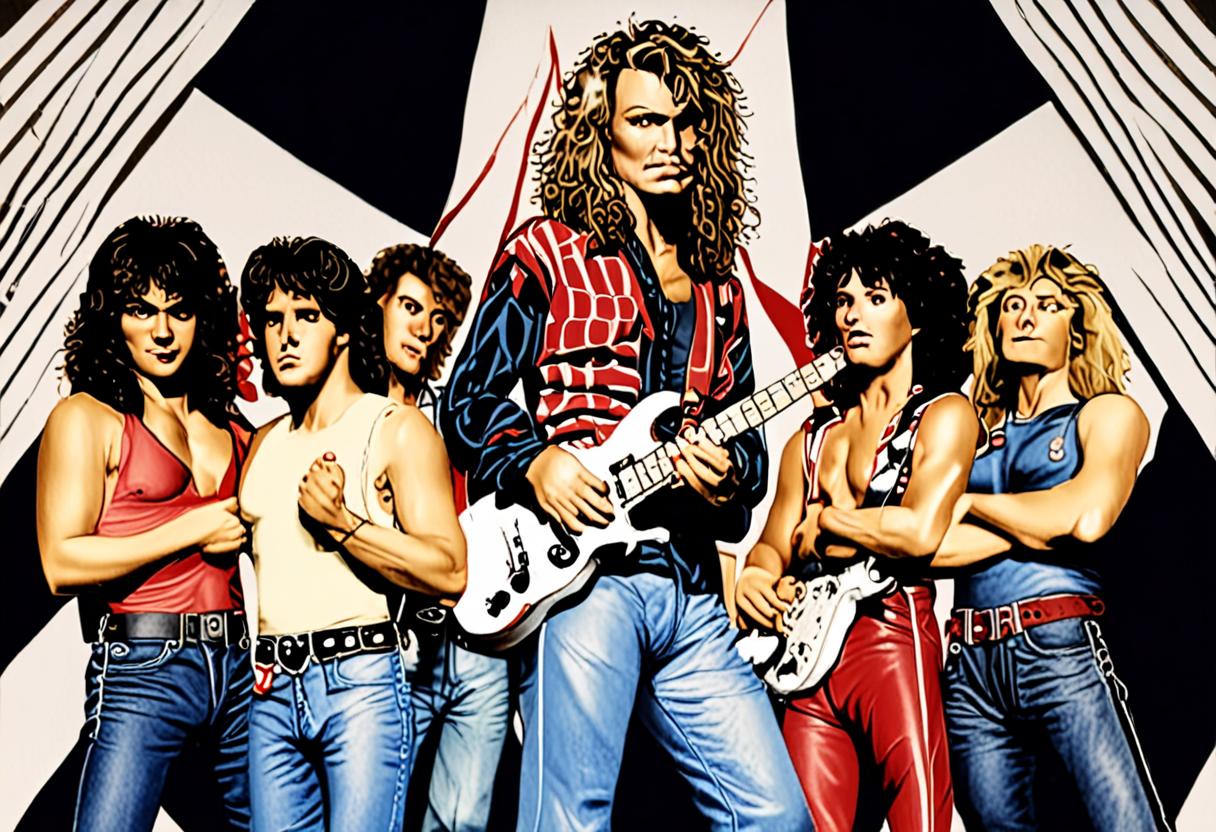
In the pantheon of rock music, few albums have left an indelible mark quite like Van Halen’s ‘1984’. Released on January 9, 1984, this sixth studio album not only showcased the band’s musical evolution but also cemented their place in rock history. As we commemorate its 40th anniversary, it’s an opportune moment to reflect on the album’s creation, its groundbreaking sound, and the legacy it continues to uphold.
The Genesis of ‘1984’
By the early 1980s, Van Halen had already established themselves as a formidable force in rock. However, internal dynamics, particularly between guitarist Eddie Van Halen and lead vocalist David Lee Roth, hinted at creative tensions. Eddie’s desire to incorporate keyboards more prominently clashed with Roth’s vision for the band’s sound. Determined to explore his musical aspirations, Eddie built his own studio, 5150 Studios, in his backyard. This sanctuary allowed him the freedom to experiment without external pressures. The result was ‘1984’, an album that seamlessly blended hard rock with synthesizer-driven tracks, marking a departure from their earlier works.
Breaking New Ground
The album’s opening track, “1984”, is a synthesizer-driven instrumental that sets the tone for what’s to come. This leads into “Jump”, a song that became synonymous with the band’s name. Featuring a catchy keyboard riff, “Jump” topped the Billboard Hot 100, becoming Van Halen’s only number-one single on that chart. Other standout tracks include “Panama”, “I’ll Wait”, and “Hot for Teacher”, each showcasing the band’s versatility and willingness to push musical boundaries.
Critical and Commercial Triumph
Upon its release, ‘1984’ was both a commercial juggernaut and a critical darling. It peaked at number two on the Billboard 200, held from the top spot only by Michael Jackson’s ‘Thriller’, an album that ironically featured Eddie Van Halen’s iconic guitar solo on “Beat It”. The album’s success was not just limited to sales; it received widespread acclaim for its innovative sound and production quality. Rolling Stone later ranked it number 81 on its list of the “100 Greatest Albums of the 1980s”.
The Aftermath and Legacy
Despite the album’s success, tensions within the band reached a boiling point. David Lee Roth departed in 1985, marking the end of an era for Van Halen. However, ‘1984’ remains a testament to the band’s ability to evolve and adapt. Its influence is evident in countless artists who have cited it as an inspiration. The album’s fusion of hard rock with synthesizer elements paved the way for future genres and showcased the limitless possibilities within rock music. As we celebrate four decades since its release, ‘1984’ stands as a beacon of innovation and artistic courage. It’s a reminder that true artistry often involves taking risks and challenging the status quo. For fans old and new, the album offers a timeless journey through a pivotal moment in rock history.