
A Pioneering Declaration
In the early 1970s, the music scene was a kaleidoscope of change, but few moments were as groundbreaking as David Bowie’s interview with Melody Maker on January 22, 1972. In a candid conversation with journalist Michael Watts, Bowie stated, “I’m gay, and always have been, even when I was David Jones.” This bold admission, made at a time when homosexuality was still a taboo subject, sent ripples through the music industry and beyond.
The Birth of Ziggy Stardust
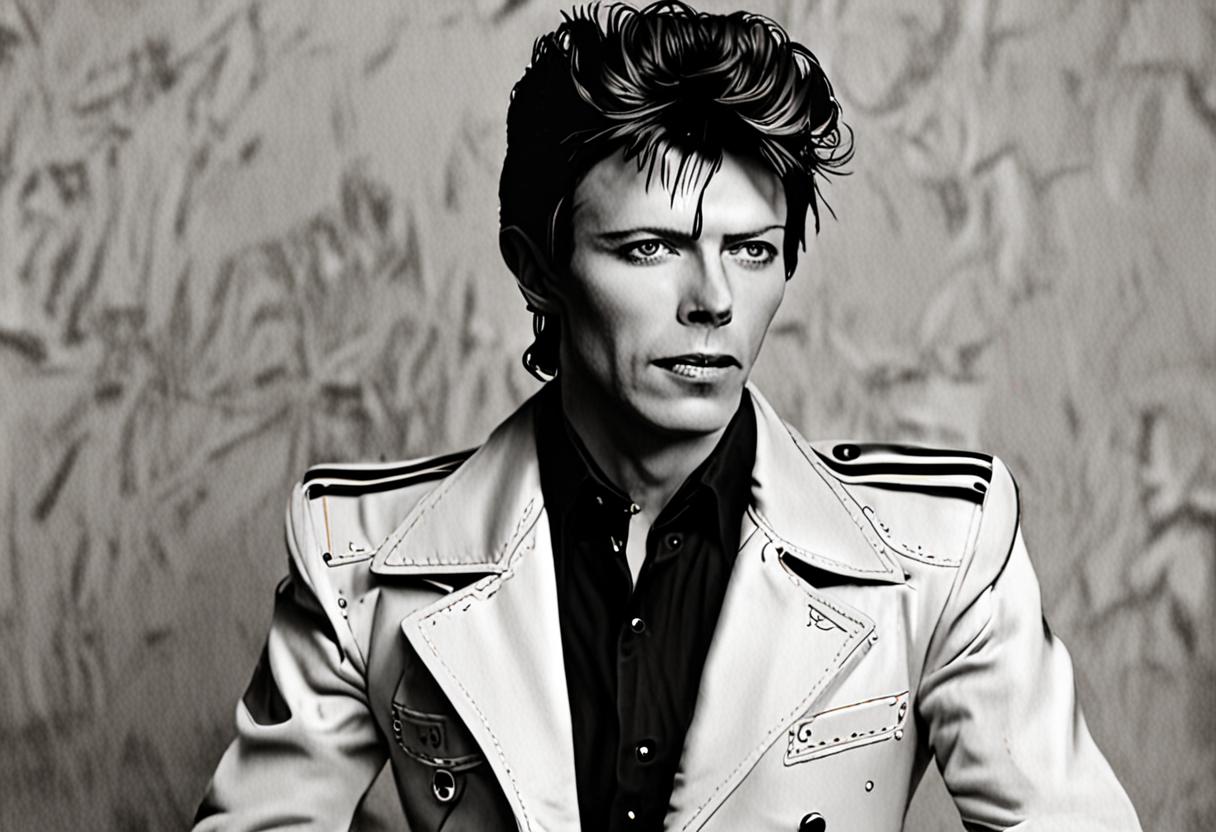
This revelation coincided with the introduction of Bowie’s alter ego, Ziggy Stardust—a flamboyant, androgynous rock star from another planet. Ziggy wasn’t just a character; he was a statement. Through Ziggy, Bowie blurred the lines between gender and sexuality, challenging the rigid norms of the time. The persona became a beacon for those who felt marginalized, offering a sense of belonging and acceptance.
Impact on Fans and Fellow Artists
Bowie’s openness had a profound effect on his audience. Holly Johnson of Frankie Goes to Hollywood recalled, “I was desperately searching for some kind of gay identity when I was a teenager, and books and films and pop music were one of the ways I found that. David Bowie… was like a gift from the Gods, with that kind of talent.” His courage inspired countless fans to embrace their identities, making the world feel a little less lonely for those struggling with their sexuality.
Reflections and Repercussions
In later years, Bowie reflected on his declaration. In a 1983 interview with Rolling Stone, he described it as “the biggest mistake I ever made” and referred to himself as “a closet heterosexual.” He elaborated, “I had no problem with people knowing I was bisexual. But I had no inclination to hold any banners or be a representative of any group of people.” Despite these later statements, the impact of his 1972 admission cannot be understated. It was a catalyst for change, challenging societal norms and paving the way for future artists to be open about their identities.
Legacy of Liberation
David Bowie’s 1972 declaration was more than a headline; it was a seismic shift in the cultural landscape. By embracing his true self, Bowie not only redefined his career but also offered a voice to those who felt unheard. His legacy is a testament to the power of authenticity and the enduring impact of challenging the status quo.